


Why is My Uterus Twitching?
Topic at a Glance
- Uterine twitching or fluttering sensations are often caused by pelvic floor or uterine muscle spasms.
- Pelvic floor dysfunction, inflammation, endometriosis, prior surgery, stress, and lifestyle factors are common triggers.
- Symptoms may include pain, cramping, pelvic pressure, pain during sex, urinary or bowel discomfort, and lower back pain.
- Pelvic floor–focused treatments, including physical therapy, relaxation techniques, and targeted medical therapies, can significantly reduce symptoms and improve quality of life.
A twitching or fluttering sensation in your uterus can feel strange, unsettling, and even worrisome. In this article, we’ll explore why you might feel little twitches in your uterus, what uterine spasms are, the most common causes of pelvic muscle spasms, when it’s time to talk to a doctor, and the treatment options available.
At Maiden Lane Medical, our pelvic pain specialists and gynecology experts in New York City provide compassionate, comprehensive care for women experiencing pelvic floor muscle spasms, chronic pelvic pain, and other pelvic floor disorders. If you’re struggling with unexplained pelvic pain or uterine twitching, schedule an appointment with our team today to get answers and relief.

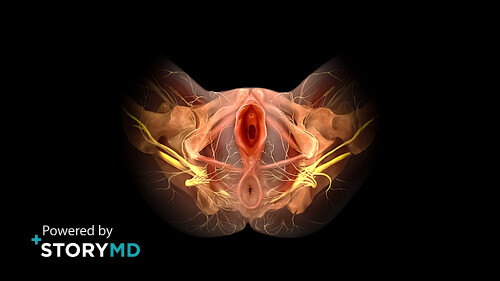
Pelvic Floor
Why Do I Feel Little Twitches in My Uterus?
If you’ve ever felt a fluttering, pulsing, or twitching sensation in your pelvic area, you may be experiencing a pelvic floor muscle spasm or a uterine spasm. These twitches are not uncommon, but they should not be ignored.
The pelvic floor is a group of muscles and connective tissues forming a supportive sling across the bottom of your pelvis. These muscles help hold your pelvic organs, the uterus, bladder, and rectum in place, while also playing an important role in sexual function, urination, and bowel movements.
When your pelvic floor muscles spasm, contract, or tighten involuntarily, you might feel:
- Fluttering or twitching in your uterus or vaginal area
- Dull aching or pelvic pressure
- Sharp or cramping pain in the pelvic area
- Pain during sexual intercourse
- Lower back pain
While an occasional twitch may not be cause for concern, persistent or painful spasms can signal an underlying issue, such as pelvic floor dysfunction, endometriosis, or another pelvic floor disorder.
Uterus
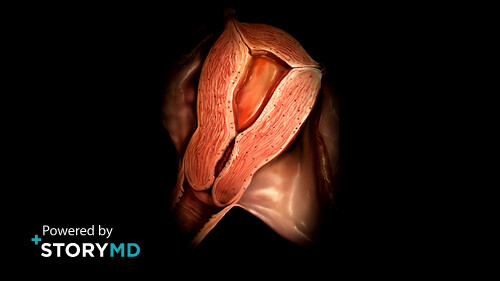
What is a Uterine Spasm?
A uterine spasm happens when the muscles in the uterus or the surrounding pelvic floor contract suddenly and involuntarily. These spasms may feel like:
- Pelvic pain or cramping
- Difficulty urinating or painful urination
- Pain during sexual intercourse
- Constipation or difficulty with bowel movement
- Lower back pain
- Vaginal or rectal pressure
Some women describe uterine or pelvic spasms as feeling similar to urinary tract infections or interstitial cystitis, but without infection present. The spasms may also be associated with hormonal cycles, scar tissue, or tension in the surrounding muscles.

Have more questions?
What Causes Uterine Spasms?
Many different factors can trigger pelvic floor spasms and uterine twitching. Some of the most common causes include:
- Pelvic Floor Dysfunction: When the pelvic floor muscles become overly tight (hypertonic pelvic floor dysfunction) or too weak to function properly, they can spasm. Tight pelvic floor muscles reduce blood flow, create tension, and lead to pain.
- Chronic Inflammatory Conditions: Inflammation from pelvic inflammatory disease (PID), fibrosis, intraperitoneal irritation, or chronic inflammation from other organ systems, such as irritable bowel syndrome (IBS), can trigger spasms in the pelvic floor and uterus.
- Endometriosis: Endometriosis causes scar tissue that can pull on surrounding pelvic muscles, leading to chronic pelvic pain and spasms.
- Pelvic Surgery or Childbirth: A history of pelvic surgery, episiotomy, or multiple childbirths can lead to scar tissue, nerve irritation, or muscle imbalance in the pelvic area, increasing the likelihood of spasms.
- Lifestyle Factors: Straining from constipation, lifting heavy objects, or engaging in high-intensity exercise can all put extra pressure on the pelvic floor and trigger spasms.
- Psychological Factors: Stress and anxiety can manifest physically. Just as stress can cause a clenched jaw or tension headache, your pelvic floor can also tighten involuntarily. Emotional pelvic pain should not be ignored; taking care of your mental health is essential to managing pelvic floor disorders.
- Connective Tissue Disorders: Underlying connective tissue conditions may contribute to abnormal pelvic floor function and muscle twitches.
Have more questions?
When Should I Talk to a Doctor About Pelvic Muscle Spasms?
It’s important not to dismiss pelvic pain or chalk it up to being a normal part of womanhood. Pain is your body’s way of signaling that something isn’t right.
You should make an appointment with a pelvic pain specialist if you experience:
- Persistent chronic pelvic pain
- Pain or pressure that interferes with daily activities
- Pain during sexual intercourse
- Difficulty with urination or bowel movements
- Recurring lower back pain connected to pelvic tension
- Symptoms of pelvic floor dysfunction that don’t improve on their own
Too often, women live with pain because they assume it’s normal. At Maiden Lane Medical, we take your concerns seriously. If you’re experiencing symptoms of pelvic floor spasms or other pelvic floor disorders, our providers will evaluate your condition and create a treatment plan to address both the physical and emotional aspects of your pain.
How Do You Treat Pelvic Muscle Spasms?
The good news is that pelvic floor spasms and uterine twitching can often be managed with the right treatment plan. At Maiden Lane Medical, we create individualized care strategies that may include:
- Pelvic floor physical therapy: Guided therapy to strengthen weak pelvic floor muscles, release tension in tight pelvic floor muscles, and restore balance.
- Relaxation exercises: Breathing techniques, stretching, and gentle movement to relieve tension and significantly reduce pelvic pain.
- Trigger point injections or local muscle relaxants: Targeted treatments to calm overactive pelvic floor muscle twitches.
- Vaginal dilators and biofeedback: Tools to retrain muscle response and improve pelvic function.
- BOTOX® injections: Used to relax pelvic floor muscles that remain tight despite other treatments.
- Medication or hormone therapy: Depending on the underlying cause, medications may be used to manage pain or inflammation.
- Lifestyle and mental health support: Since taking care of your mental health can reduce emotional pelvic pain, stress management techniques and counseling may also be recommended.
Our goal is to significantly reduce pelvic pain, restore comfort, and improve quality of life.
Finding Relief and Restoring Pelvic Health
Feeling your uterus twitch or spasm may be unsettling, but it doesn’t have to disrupt your life. Whether your symptoms are caused by pelvic floor dysfunction, endometriosis, interstitial cystitis, or another underlying issue, help is available. With the right care, it’s possible to relax your pelvic floor muscles, improve bladder and bowel function, and experience less pain.
At Maiden Lane Medical, our dedicated team of pelvic pain specialists in NYC provides comprehensive, evidence-based care for women experiencing pelvic floor muscle spasms, chronic pelvic pain, and other pelvic floor disorders. Don’t ignore symptoms that interfere with your daily activities or quality of life—early diagnosis and treatment often lead to better outcomes.
If you are experiencing pelvic pain, uterine twitching, or symptoms of pelvic floor disorders, schedule an appointment with our expert team today. We’re here to help you find answers, relief, and long-term pelvic health.
FAQs About Uterine Twitching
Is uterine twitching normal?
Occasional uterine or pelvic muscle twitches can be normal, especially during times of stress, hormonal changes, or muscle fatigue. However, frequent, painful, or persistent twitching is not considered normal and may indicate pelvic floor dysfunction or another underlying condition.
Can stress really cause uterine spasms?
Yes. Stress and anxiety can cause involuntary muscle tightening throughout the body, including the pelvic floor. Chronic tension may lead to pelvic muscle spasms, uterine twitching, and ongoing pelvic pain.
Are uterine spasms related to my menstrual cycle?
They can be. Hormonal fluctuations during your menstrual cycle may contribute to uterine cramping or spasms. However, spasms that occur outside of your period or worsen over time should be evaluated.
Could uterine twitching be a sign of pregnancy?
Some women report fluttering sensations early in pregnancy due to uterine changes or increased blood flow. That said, uterine twitching has many causes, and pregnancy is only one possibility. A medical evaluation can clarify the reason.
When should I see a doctor about uterine twitching?
You should see a doctor if twitching is persistent, painful, interferes with daily activities, occurs with pain during sex, urinary or bowel difficulties, or is associated with chronic pelvic or lower back pain. Early evaluation can prevent symptoms from worsening and help guide effective treatment.
How are pelvic floor spasms treated?
Treatment may include pelvic floor physical therapy, relaxation and breathing exercises, medications, trigger point or BOTOX® injections, vaginal dilators, and lifestyle or mental health support. Treatment is individualized based on the underlying cause of the spasms.
Schedule an appointment with Maiden Lane Medical today!
Don’t wait. Book your appointment with our OB/GYN Specialists today!