


Can Fibroids Cause Weight Gain and Bloating?
Do you feel like you’ve put on weight, and no matter what you do, you can’t lose it? Or maybe your stomach always feels swollen, tight, or distended. For many women, these frustrating changes may be linked to uterine fibroids—noncancerous growths that can enlarge the uterus, disrupt normal blood flow, and cause a wide range of symptoms, including painful periods, pelvic pain, heavy bleeding, and unexpected weight gain.
This article will explain what fibroids are, what causes them, and their most common symptoms. If you’re experiencing symptoms, our dedicated fibroid specialists at Maiden Lane Medical in New York City can help you find relief through expert diagnosis and treatment. Contact us today!

Topic at a Glance
- Uterine fibroids are common, noncancerous growths that can enlarge the uterus and cause symptoms such as bloating, pelvic pressure, heavy periods, and pain.
- Risk factors for fibroids includehormonal influences, genetics, and possibly high blood pressure
- Symptoms vary widely and may include pelvic pain, back pain, frequent urination, constipation, heavy bleeding, and, in some cases, fertility challenges.
- Effective treatments are available, ranging from medications and minimally invasive procedures to surgery, depending on symptoms and reproductive goals.
What Are Fibroids?
Uterine fibroids are benign tumors made of muscle and fibrous tissue that grow within or on the uterus. They are very common; many women will develop them at some point during their reproductive years. While fibroids are not cancerous, their impact on health varies widely.
Some women may never notice they have fibroids, while others develop large uterine fibroids that can change the shape and size of the uterus, leading to a protruding abdomen and severe discomfort. Fibroids can grow as single tumors or in clusters. Over time, they may remain stable, shrink, or grow larger depending on hormone levels and other factors.
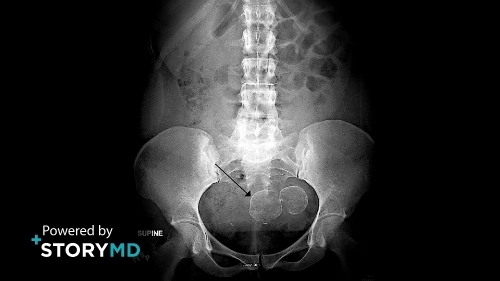
Uterine Fibroids
Types of Fibroids Include:
- Intramural fibroids – Grow inside the muscle wall of the uterus and are the most common.
- Submucosal fibroids – Develop beneath the lining of the uterus, often causing heavy periods.
- Subserosal fibroids – Grow on the outer surface of the uterus, sometimes pressing into other organs and structures in the abdomen.
- Pedunculated fibroids – Grow on thin stalks that can be inside or on the surface of the uterus
Have more questions?
What Causes Fibroids?
The exact cause of fibroids isn’t fully understood, but several factors are believed to play a role:
- Hormonal influences: Estrogen and progesterone, which regulate the menstrual cycle, appear to encourage fibroid growth. That’s why fibroids often shrink after menopause when hormone levels decline.
- Genetics: If a close relative has fibroids, your likelihood of developing them is higher.
- Other risk factors: High blood pressure, certain dietary factors, and being in your 30s and 40s may increase risk.

Many women wonder if lifestyle choices cause fibroids. While diet and exercise don’t directly cause them, maintaining a balanced lifestyle may help manage symptoms, improve blood flow, and reduce inflammation.
Common Symptoms of Fibroids
Fibroids don’t always produce symptoms, but when they do, they can have a significant impact on quality of life. Some of the common symptoms include:
- Pelvic pain or cramping
- Back pain or pain in the lower abdomen
- Painful periods with heavy or prolonged bleeding
- Painful sex due to pressure or fibroid location
- Heavy bleeding leading to blood loss and anemia
- Bleeding between periods
- Frequent urination or difficulty emptying the bladder
- Bowel movements that feel incomplete or uncomfortable
- Stomach bulge or protruding abdomen
- Unexpected weight gain or difficulty losing weight
- Fertility challenges in some cases
Because these symptoms overlap with other conditions, it’s important to consult a healthcare provider for an accurate diagnosis.
Do Fibroids Cause Bloating?
Yes, fibroids can cause bloating. As a fibroid grows, it can enlarge the uterus, taking up more space in the abdominal cavity. This leads to bloating, pressure, and a swollen feeling. Some women notice a fibroid belly that makes their stomach appear larger, even if they haven’t gained much body fat.
Fibroid-related bloating can also affect digestion, cause discomfort during bowel movements, and increase abdominal pressure. Many women describe it as a constant fullness that doesn’t go away.
Have more questions?
What Does Fibroid Belly Feel Like?
A fibroid belly often feels firm, heavy, or distended. Depending on fibroid size, your abdomen may feel hard to the touch rather than soft. Some women report looking several months pregnant, even without weight gain.
The sensation may include:
- A stomach bulge that makes clothes fit tightly
- A sense of heaviness in the lower abdomen
- Constant bloating unrelated to food intake
- Pressure on nearby organs
Large fibroids can shift the uterus upward, enlarging the abdomen and creating a visibly protruding stomach.
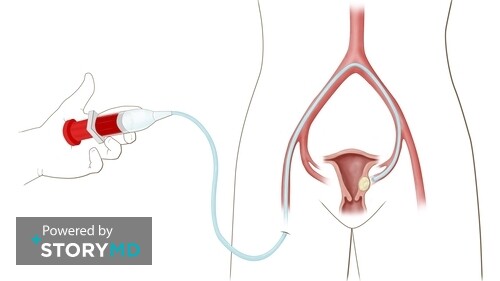
Uterine Fibroid Treatment
Will Getting Fibroids Removed Help Me Lose Weight?
Fibroid treatment can sometimes lead to weight loss, but results depend on the cause of your weight gain.
- If larger fibroids are physically increasing your body weight, removal through a myomectomy or hysterectomy can reduce both weight and abdominal size.
- If hormonal imbalances are driving both fibroid growth and your tendency to gain weight, treating fibroids and balancing hormones may make it easier to achieve healthy weight loss.
- Women often find relief from pelvic pain, back pain, bloating, and heavy periods after fibroid treatment, which can also improve energy levels and overall well-being.
That said, if weight gain is due to other factors like lifestyle, treating fibroids alone may not be enough. A comprehensive plan with your healthcare provider will help you address all contributing factors.
What Are My Treatment Options if I Have Fibroids?
Treatment depends on fibroid size, fibroid growth rate, symptoms, and whether you want future pregnancies. Options range from watchful waiting to surgery:
Medications & Non-surgical Options
- Hormonal birth control to control heavy bleeding and painful periods
- GnRH agonists to temporarily shrink fibroids by reducing estrogen and progesterone
- Targeted hormone therapies to slow or stop growth
- Pain management strategies for pelvic pain and back pain
Minimally Invasive Procedures
- Uterine fibroid embolization (UFE) – blocks blood flow to fibroids, causing them to shrink
- Endometrial ablation – treats bleeding by removing the uterine lining
- MRI-guided focused ultrasound – uses sound waves to destroy fibroid tissue
Surgical Treatments
- Myomectomy – removes fibroids while preserving the uterus (ideal for women planning pregnancy)
- Hysterectomy – removes the uterus entirely; the only permanent cure for fibroids
Your fibroid specialists will consider your symptoms, fertility goals, and personal preferences when designing a treatment plan.
The Emotional and Lifestyle Impact of Fibroids
Living with fibroids can be exhausting, not just physically but emotionally. Many women feel frustrated by unexpected weight gain, constant bloating, or the challenge of managing heavy periods that interfere with daily routines. Others worry about fertility or how fibroids might affect pregnancy.
These struggles can impact relationships, work, and self-confidence. For example, women dealing with a protruding abdomen may feel self-conscious about their appearance. Others may avoid intimacy due to painful sex. Recognizing these challenges is important, as emotional health is a vital part of overall well-being.
Seeking help from a trusted healthcare provider can provide reassurance, support, and a clear path toward relief.
Taking Back Control: Your Next Steps
Fibroids are one of the most common benign tumors in women, and while not life-threatening, they can seriously impact daily life. From painful sex and pelvic pain to unexpected weight gain and a protruding abdomen, the symptoms can affect both physical health and emotional well-being.
The good news is that you don’t have to live with discomfort. At Maiden Lane Medical, our experienced gynecologists provide advanced testing and customized treatment options to help manage or eliminate fibroids. Whether you need relief from heavy bleeding, support for fertility, or answers about fibroid belly, we’re here to guide you every step of the way.
If you believe uterine fibroids affect your health or you’re concerned about fibroids causing weight gain and bloating, don’t wait. Contact one of our offices in New York City today to schedule a consultation with one of our fibroid specialists and take the first step toward relief.
Contact Us
Related Blogs
Don't know which doctor to choose? Let us help you.

STEPHANIE L.
FAQs About Fibroids and Bloating
Why do fibroids cause bloating?
As fibroids grow, they take up space in the abdominal cavity and can press on surrounding organs. This pressure can cause a constant feeling of fullness, swelling, and abdominal tightness that doesn’t improve with dietary changes.
What does a “fibroid belly” feel like?
A fibroid belly often feels firm or heavy, rather than soft. Some women describe looking several months pregnant or feeling constant pressure in the lower abdomen.
Will treating fibroids help reduce bloating and weight?
Often, yes. Treating fibroids—especially large ones—can reduce abdominal size, bloating, and pressure. Some women also find it easier to manage their weight once fibroid-related symptoms and hormonal disruptions are addressed.
Are fibroids dangerous?
Fibroids are almost always benign, but untreated fibroids can significantly affect quality of life. Severe bleeding, anemia, pain, bladder or bowel issues, and fertility problems are reasons to seek medical care.
When should I see a doctor about fibroids, bloating, or weight gain?
You should see a gynecologist if you experience persistent bloating, unexplained weight gain, heavy or painful periods, pelvic pressure, difficulty with urination or bowel movements, or symptoms that interfere with daily life.
What are my treatment options?
Treatment depends on fibroid size, symptoms, and future fertility plans. Options include medications, minimally invasive procedures (like uterine fibroid embolization), myomectomy, or hysterectomy in more severe cases.