
Spinal Stenosis Specialist
Do you have tingling, numbness, and pain in your arms, legs, hands or feet? If so, you might have spinal stenosis, a condition that affects the spinal canal and its nearby nerves. To have your symptoms diagnosed by a specialist, visit Jennifer Zocca, MD, at Maiden Lane Medical in New York. As an expert in pain management, Dr. Zocca offers integrative therapies for healing this painful condition and helping you regain mobility in your back and entire body. Call now to schedule a consultation or book an appointment online.

Adam
Topic at a Glance
- Spinal stenosis is a condition in which the spinal canal narrows, compressing the spinal cord and nearby nerves.
- Symptoms may include numbness, tingling, radiating pain, muscle weakness, and balance or coordination problems.
- Common causes include arthritis, bone spurs, disc degeneration, injuries, and thickened spinal ligaments.
- Treatment options may involve medications, physical therapy, and steroid injections to relieve pain and improve mobility without surgery.
What is spinal stenosis?
Spinal stenosis is a condition that causes an abnormal narrowing of the spinal canal, which puts pressure on nerve roots and can cause chronic pain and immobility. Spinal stenosis can occur in the lumbar (lower) or the cervical (upper) spine. While some people are born with the condition, it’s more common to develop spinal stenosis with age.
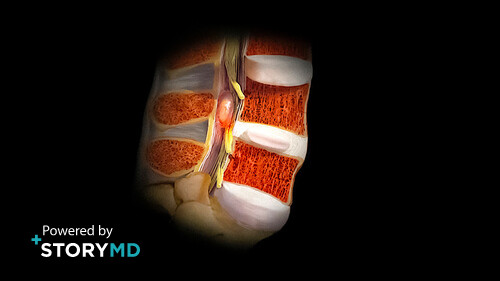
Spinal Stenosis
What are the symptoms of spinal stenosis?
Spinal stenosis doesn’t always produce symptoms. When symptoms do show up, you can experience:
- Numbness or tingling in extremities
- Pain that radiates to different parts of the body
- Problems with balance or coordination
- Weakness in the muscles
Spinal stenosis in the lumbar spine can be extremely painful when trying to walk, while spinal stenosis in the cervical spine can cause pain during upper body movements.
What causes spinal stenosis?
There are several reasons why spinal stenosis can develop. It often occurs as a result of arthritis in the spine, which creates inflammation and pain. Other causes of spinal stenosis include:
- Bone spurs: Caused by conditions like osteoarthritis
- Disk degeneration: Which creates abnormal spinal structure and inflammation
- Injury: Trauma from a car accident, fall, or sports injury
In other cases, spinal stenosis can develop when the ligaments that support spinal vertebrae become thick and stiff. The condition might also develop if you have growths or tumors on or around the spinal cord.
How is spinal stenosis treated?
Dr. Zocca starts with a comprehensive evaluation to determine the cause of your symptoms. She may recommend X-rays or other diagnostic tests to get a clear view of your spinal column. Depending on your symptoms, a treatment plan might include:
- Medication: To address pain or underlying conditions
- Physical therapy: For mobility, pain relief, and long-term spinal health
- Injections: Steroidal treatment to reduce inflammation and swelling
Using a multidisciplinary approach, Dr. Zocca coordinates your treatment plan so you have access to the most up-to-date procedures and therapies available. With an emphasis on comprehensive care, you can heal from spinal stenosis without the need for surgery or other invasive methods.
To book a consultation to discuss your needs, call Maiden Lane Medical today or make an appointment using the one-click booking tool.
Specialists
Related Services
Don't know which doctor to choose? Let us help you.

STEPHANIE L.
Contact Us
FAQs About Spinal Stenosis
What is spinal stenosis?
Spinal stenosis is a condition that causes narrowing of the spaces within the spine, placing pressure on the spinal cord and nerve roots. It most commonly affects the lumbar (lower back) and cervical (neck) areas of the spine.
What symptoms can spinal stenosis cause?
Symptoms may include numbness, tingling, weakness, pain that radiates into the arms or legs, and problems with balance or coordination. Lumbar spinal stenosis can make walking painful, while cervical spinal stenosis may cause pain during upper body movements.
What causes spinal stenosis?
Spinal stenosis can develop due to arthritis, bone spurs, disc degeneration, injuries, thickened ligaments, or growths around the spinal cord. Aging is one of the most common contributing factors.
How is spinal stenosis diagnosed?
Diagnosis typically begins with a comprehensive evaluation and review of symptoms. Imaging tests such as X-rays may be recommended to examine the spinal canal and identify the source of nerve compression.
What treatments are available for spinal stenosis?
Treatment may include pain medications, physical therapy to improve mobility and strength, and steroid injections to reduce inflammation.
Our doctors who provide this service
Sorry, we couldn't find any posts. Please try a different search.